Vitamins have an interesting story that goes way back in time. In the early 20th century, scientists started connecting certain diseases with what people ate. For example, they discovered that a lack of vitamin C could lead to scurvy, a disease that plagued sailors on long voyages. This was a huge breakthrough that changed how we viewed nutrition.
As researchers dug deeper, they identified more vitamins and their specific roles. Vitamin D became known for preventing rickets, and vitamin B12 was linked to helping with energy levels and preventing anemia. Each discovery added a piece to the puzzle of how our bodies function and thrive.
The vitamins we know today weren't always recognized as essential nutrients. In fact, some vitamins were discovered by accident, while others came from observing patients' diets. The term "vitamin" was coined in 1912, combining "vital" and "amine," since the first vitamins discovered were thought to be amines.
Throughout the years, we've learned that getting vitamins from natural foods is best. Fresh fruits, vegetables, and whole grains are packed with essential nutrients. However, we also live in a busy world where supplements can help fill gaps in our diets. Today, people have more options than ever when it comes to making sure they're getting the vitamins they need.
Understanding the history of vitamins helps us appreciate their importance in our diets. It's an ongoing journey, and science keeps uncovering new benefits and roles for these vital nutrients. Whether you reach for a multivitamin or load up on fruits and veggies, it's clear that vitamins are key players in promoting good health.
How Vitamins Boost Your Health Today
Vitamins play a crucial role in keeping us healthy as we age. They help maintain our energy levels, support our immune system, and even boost our mood. For folks over 50, getting the right vitamins is more important than ever. They can help you feel great, stay active, and enjoy life to the fullest.
Different vitamins offer different benefits. For example, vitamin D is essential for bone health. It helps your body absorb calcium, which is key to keeping your bones strong. On the other hand, vitamin B12 supports brain function and energy levels. As we age, our bodies sometimes struggle to absorb these vitamins, making it vital to pay attention to your intake.
Don’t forget about antioxidants like vitamins C and E. They fight free radicals that can cause damage to your cells. This means they help keep your skin looking youthful and can even help your heart. Eating a colorful variety of fruits and vegetables can help boost your vitamin intake and provide those antioxidants we need.
Supplements can also be a good option if you're not getting enough vitamins from food. Just make sure you talk to your doctor before starting any new supplement. They can help you figure out what you really need to support your health.
Famous Vitamins and Their Unique Benefits
Vitamins have played a huge role in our health journey, and each one has its own unique perks. Let’s dive into some of the most popular vitamins and what they do best!
Vitamin A is known for keeping our eyes sharp. It helps improve vision, especially in low light. On top of that, it's great for your skin, giving it that healthy glow, and supports your immune system. You can find it in foods like carrots, sweet potatoes, and spinach.
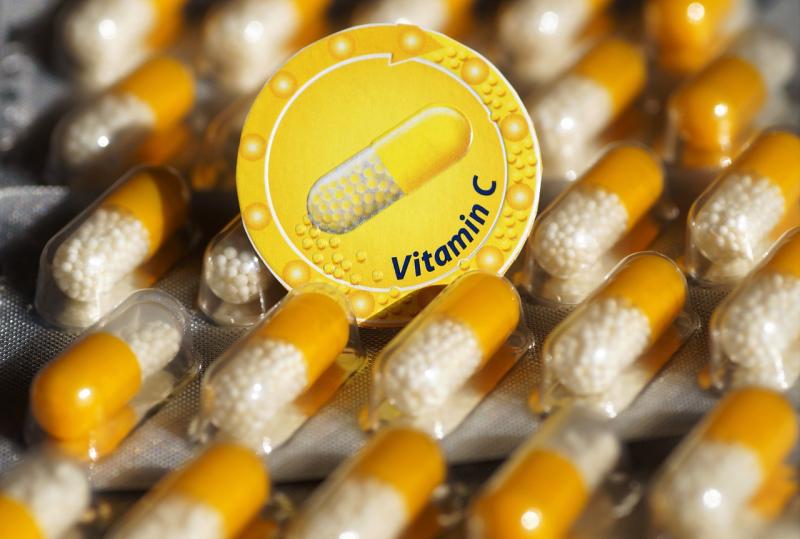
Vitamin C is a superstar when it comes to boosting your immune system. It helps fight off illnesses and speeds up healing. Plus, it’s essential for collagen production, which means it keeps your skin and joints in good shape. Load up on oranges, strawberries, and bell peppers for a healthy dose!
Vitamin D is crucial for bone health because it helps your body absorb calcium. It’s also tied to a good mood, helping to keep those winter blues at bay. You can soak up some sunlight for free or grab a supplement if you need an extra boost.
Vitamin E is often called a beauty vitamin. It’s packed with antioxidants that protect cells from damage. It can support skin health and even contribute to healthy hair. Nuts, seeds, and green leafy vegetables are great sources to include in your diet.
Your Guide to Choosing the Right Vitamins
Choosing the right vitamins can feel a bit overwhelming, especially with so many options out there. But don’t worry! It’s all about understanding what your body needs. As we age, our nutritional requirements change, and vitamins can play a big role in keeping us feeling our best.
First, think about your specific needs. Are you feeling more tired than usual? You might need more vitamin B12 or iron. Struggling with your bones? Vitamin D and calcium are key players. Keep in mind that a simple blood test at your doctor’s office can help identify any deficiencies you might have.
Next, consider the source of your vitamins. Whole foods are always the best way to go. Think fresh fruits, vegetables, whole grains, nuts, and seeds. If you find it hard to get certain nutrients through diet alone, look for high-quality supplements. Look for ones that are whole-food based or have added nutrients that target your specific needs.
Also, pay attention to the labels. Check for the amount of each vitamin and how it fits into your daily requirements. Not all vitamins are created equal, so choose brands that you trust and that use good ingredients without fillers. Your health is worth the extra research!
Lastly, don’t forget to consult a healthcare professional before starting any new vitamins. They can provide personalized advice based on your unique health situation and what’s best for you. With the right vitamins on your side, you’ll be on your way to feeling vibrant and full of life!